Partner Support
Restoration support for Real Estate professionals
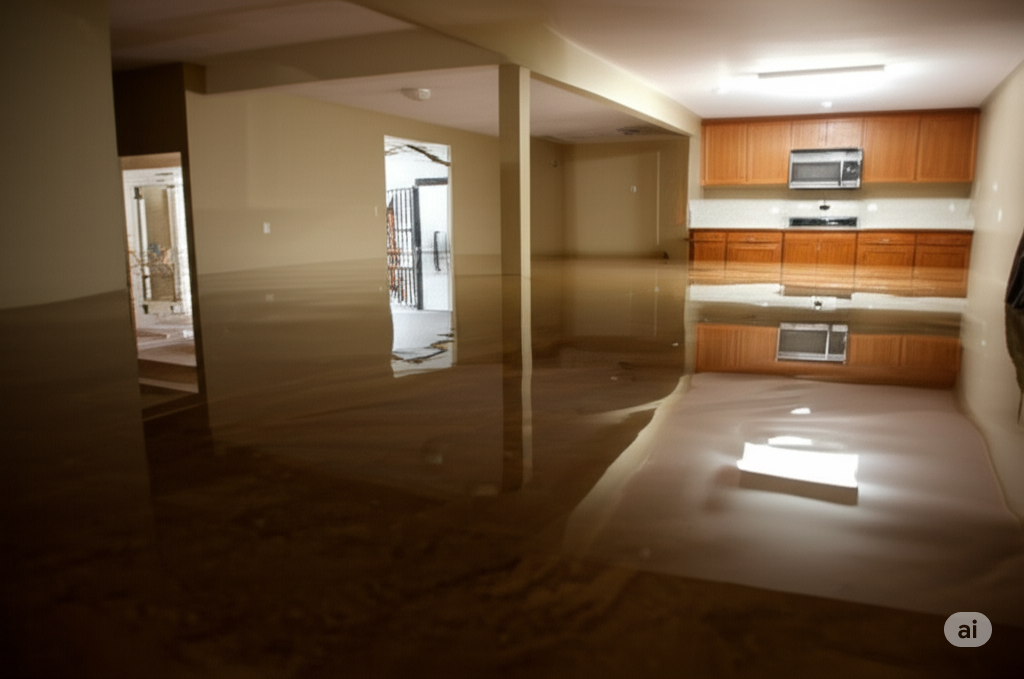
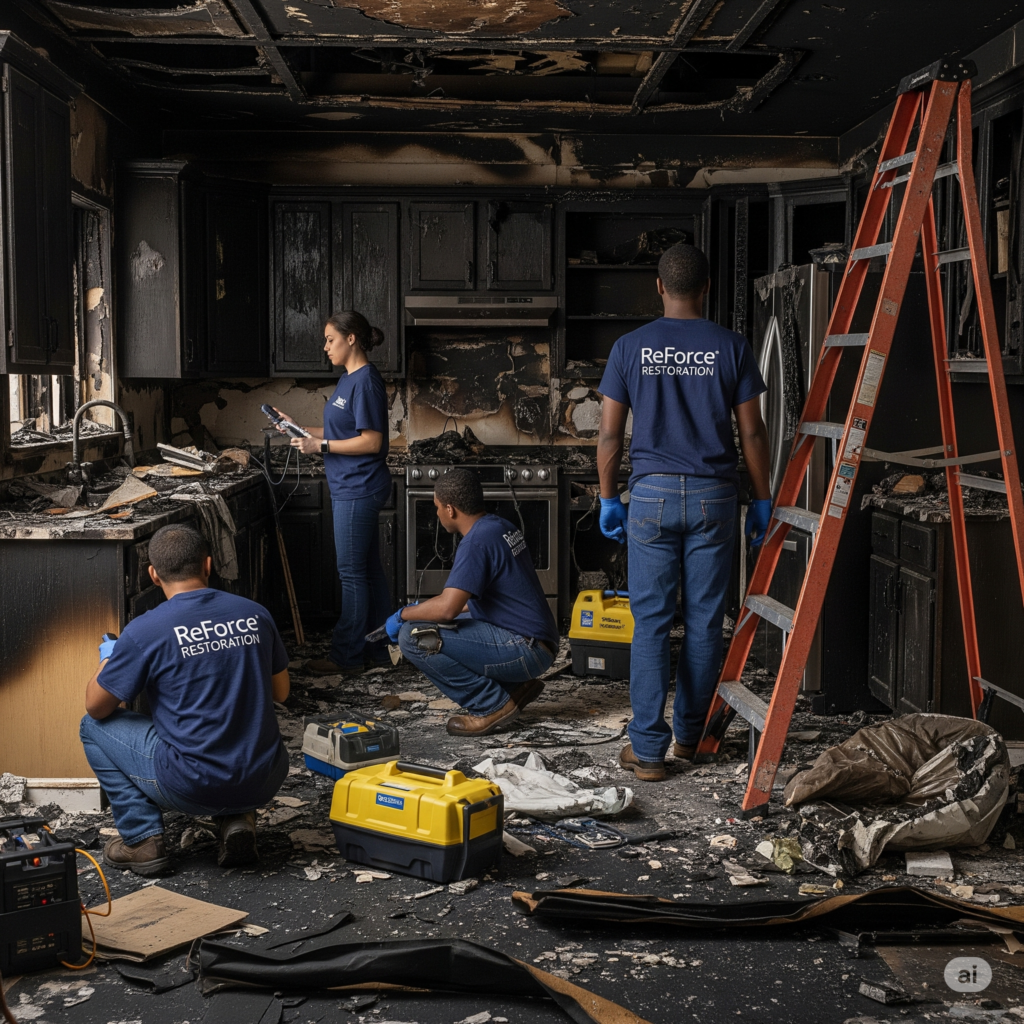
When deals are at risk because of water, mold, fire, or storm damage, ReForce Restoration helps agents and brokers move quickly with certified response, clear communication, and dependable documentation.
Why agents call us
Protect timelines and client confidence
We help real estate professionals respond fast, reduce uncertainty, and keep transactions moving with practical restoration support.
Fast emergency response
24/7 availability for urgent property issues that can delay listings, inspections, or closings.
Clear documentation
We provide organized findings and updates that help clients, adjusters, and stakeholders stay informed.
Certified restoration care
IICRC-certified service for water, mold, fire, and storm damage across residential and commercial properties.
Core support
Services that help deals stay on track
From active leaks to post-loss cleanup, we support agents, brokers, property managers, and sellers with responsive restoration services.
Checklist of Optional Inspections That Often Need Approvals for Transactional Success
Homebuyers frequently add optional inspections to identify risks that a standard home inspection may not fully evaluate. Clear guidance on these items helps buyers, sellers, and agents avoid surprises, negotiate repairs more effectively, and keep the transaction moving toward closing.
Radon testing
Radon testing helps determine whether elevated radon levels are present in the home, which is important because radon is an odorless gas that can create health concerns over time. Buyers often request this inspection to confirm whether mitigation is needed before closing and to reduce uncertainty during negotiations.
Termite inspection
A termite or wood-destroying insect inspection can reveal hidden damage, active infestation, or conditions that may attract pests. This is a common approval item in real estate transactions because structural concerns and treatment recommendations can affect lender requirements, repair requests, and buyer confidence.
Septic system inspection
For properties served by a septic system, buyers often order a dedicated inspection to evaluate tank condition, drain field performance, and overall system function. A standard home inspection usually does not provide a full septic assessment, so this step helps uncover costly issues before ownership changes hands.
Well or city water review
Water-related inspections may include well testing, flow evaluation, potability testing, or confirmation of city water service conditions. These optional inspections help buyers understand water quality, pressure, and system reliability, especially when the standard inspection does not fully address source-specific concerns.
Chimney inspection
A chimney inspection can identify flue damage, drafting problems, moisture intrusion, creosote buildup, or safety issues that are easy to miss during a general inspection. Buyers often request this review when a fireplace or wood-burning feature is part of the property and safe operation matters to the purchase decision.
Pool or hot tub inspection
When a home includes a pool or hot tub, buyers may request a specialized inspection to review equipment, visible leaks, safety components, and operating condition. This helps clarify maintenance obligations and repair exposure that would not typically be covered in detail by a standard home inspection.
Mold or air quality testing
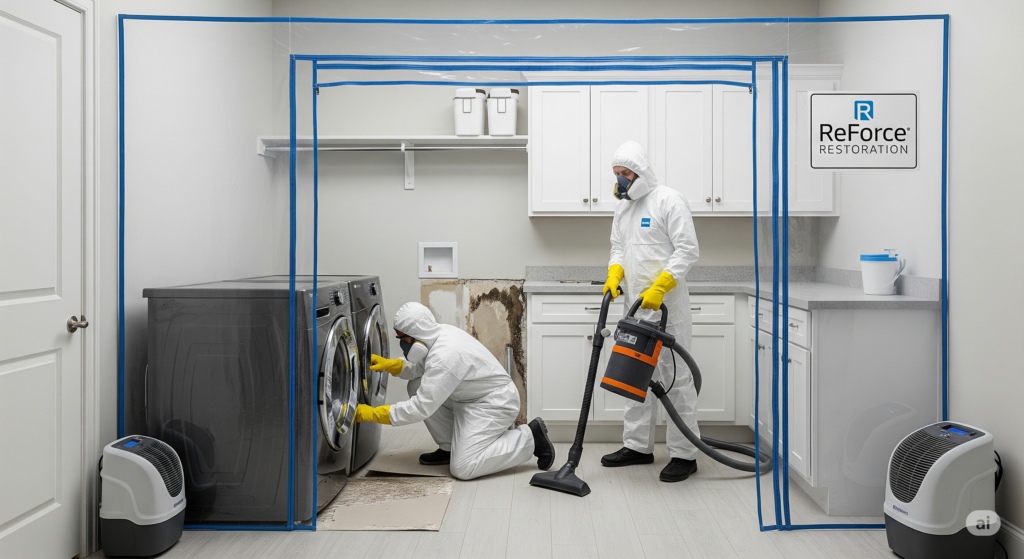
Mold inspection or indoor air quality testing is often added when buyers notice staining, musty odors, prior water damage, or ventilation concerns. Because standard inspections may only note visible conditions, this optional step can provide deeper insight into hidden moisture issues, contamination risks, and recommended remediation.
Lead paint or asbestos review
Older homes may require additional evaluation for lead-based paint or asbestos-containing materials, particularly when renovation plans are involved. These inspections help buyers understand potential health, compliance, and abatement considerations that are outside the scope of most standard home inspections.
Roof certification
Roof certification provides a more focused review of roof condition, remaining service life, and repair needs than a general inspection typically offers. Buyers and lenders may request this documentation to reduce risk, support underwriting, and address concerns about leaks, storm damage, or deferred maintenance before closing.
By planning for these optional inspections early, real estate professionals can better manage approvals, set expectations, and protect transactional success when issues arise outside the limits of a standard home inspection.
Get in touch
Talk with ReForce Restoration
Need a restoration partner for a listing, inspection issue, or urgent property event? Call anytime or send your information and our team will follow up.